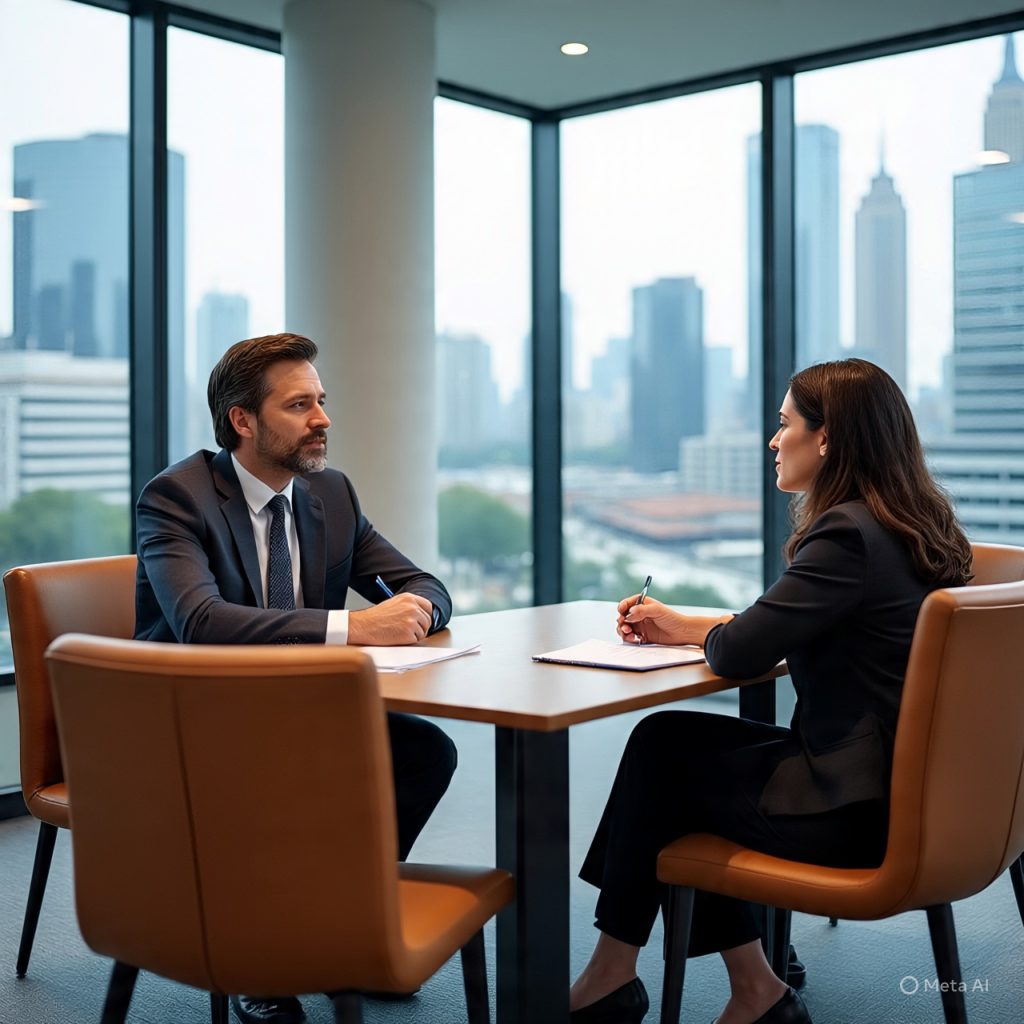
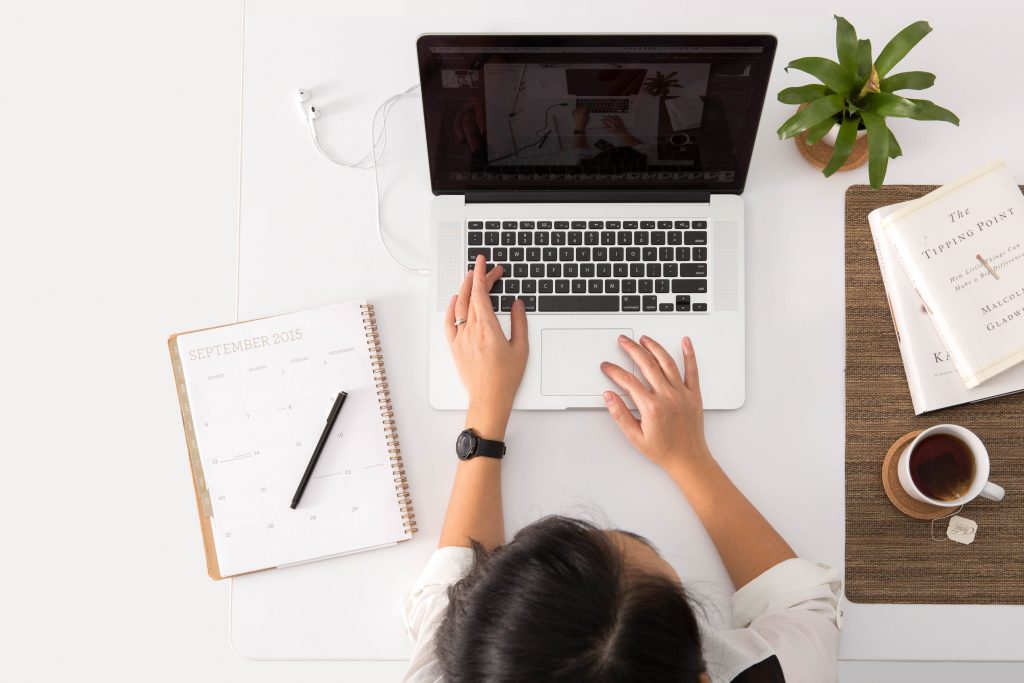
When offices were forced to close in March 2020 to prevent the spread of COVID-19, employees expected to be back at work within a few weeks. Now, more than 18 months later, what has become a gigantic and unanticipated remote-work experiment has altered the American workplace. It’s unclear when many offices will fully operate, but the virtual work revolution that began with the pandemic is far from over.
“We all have to understand that the workplace will never be the same again and that there is no plan,” says Stacie Haller, a career counselor with ResumeBuilder.com, who sees an advantage to it. “We now have a different perspective on how we can operate successfully, and that it can be done remotely.”
Although remote work isn’t a choice in every industry and isn’t suitable for everyone, many employees have flourished in virtual environments and wish to maintain the flexibility and autonomy it has provided them.
“Based on the data, that employees don’t want to go back to the way things were,” says Alexia Cambon, research director of Gartner said. “We know that if we implement hybrid work, they are happier, healthier, more efficient, have a better probability of high performance, and, but perhaps most importantly, there is enormous inclusivity.” According to Gartner’s study, 73% of women who were on-site prior to the pandemic but have since been remote say their expectations for working flexibly have improved over that time.
Reevaluating the office model
Right before the COVID-19 delta variation, many businesses planned to reopen using a hybrid strategy, frequently requiring employees to be in the office for part of the week. However, while Gartner reports that 60% of employees want a hybrid work paradigm, experts stress that this should not just mean requiring employees to be on-site on certain days of the week.
“Any rule requiring flexibility is essentially inflexible,” explains Cambon. “If you demand that an employee come in two to three days a week, there’s no room to construct your own schedule, which is what employees desire.” She claims that prior to the outbreak, businesses urged employees to clarify why they should work from home. She anticipates that now that they’ve demonstrated their ability to work remotely in the most effective way, employees will be asking employers to justify why they should come into the office — and what makes the commute worthwhile.
According to Cambon and Deborah Lovich, managing director and senior partner at Boston Consulting Group, more progressive companies have used the extra time provided by the delta surge to re-examine the reasons for bringing employees into the office and allowing each team’s work to drive their decisions.
“The most foresighted firms are saying, ‘We’re going back for collaboration, social connection, and training,'” Lovich adds. “That affects your perception of what an office should be.”
Instead of expecting staff to come in every Monday and Tuesday, Cambon and Lovich advise that a better hybrid model would include a few days of in-person meetings once a month, or a weeklong retreat once a quarter. Or, at the end of the year, a financial services team, for example, may need to meet in person for several weeks, but they may complete their work virtually otherwise. Employees who are unable to work from home, for example, due to a lack of space, roommates, or children at home could benefit from office space.
Identifying solutions
Cambon believes that achieving the correct balance between full-in person and virtual work will require ingenuity and experimentation. Lovich emphasizes that organizations should contemplate not only location flexibility, but also employee work hours as they play a big role for employees to optimize their true potential. “You’ll notice a range of companies in the same industry releasing wildly contrasting ideas, which should tell you that nobody knows the answer. There isn’t just one answer,” she explains.
Lovich also emphasizes the significance of finding answers for the entire team. “What COVID showed us is that flex work cannot be for a single person.” It has to be for the good of the team,” she explains. “It works when the entire team is together online versus when the entire team is together in person.”
Progressive companies are actively rethinking their working culture. “They’re thinking about transforming culture and leadership to be much more trust-based, impact-based, rather than input-based, such as, ‘I see you, therefore I think you’re productive,’ versus, ‘Wow, I see what you’ve accomplished, therefore I know you’ve been productive,’ ’’Lovich adds.
A win-win situation
Remote work, according to Raj Choudhury, associate professor of business administration at Harvard Business School, is a “win-win” situation for both employees who gain greater flexibility and companies who can hire people from anywhere in the country or perhaps the world.
He sees it as promoting equality by allowing small communities to attract talent and providing more opportunities for women to ascend the corporate ladder without having to relocate their family, which he says frequently causes setbacks in a dual-career household.
Companies are fighting for top people who will be offered flexibility, and those who do not will need to “get with the program” so as to stay current and competitive, according to Haller. “Today’s modern woman is the one who calls the shots in her life and her family — who works remotely, on her schedule, and is empowered in every aspect of her life,” she says. According to Gartner, companies that must resort to a complete on-site approach may lose one in every three employees.
Employers, according to Lovich, must proceed cautiously. “Right now, it’s an employee’s market.” Because the world is short on workers, we should think about what we need and desire and be bold and courageous enough to speak up and have a voice. And a lot of firms are seeing this, so there’s a genuine chance to either shape your workplace to be the place it needs to be or go somewhere else that is,” Lovich says. “We’ve been contorting our lives to fit around work for decades, and COVID forced work to align around our current state of living. Let us not return to the previous path.”